Acrylic (PMMA)
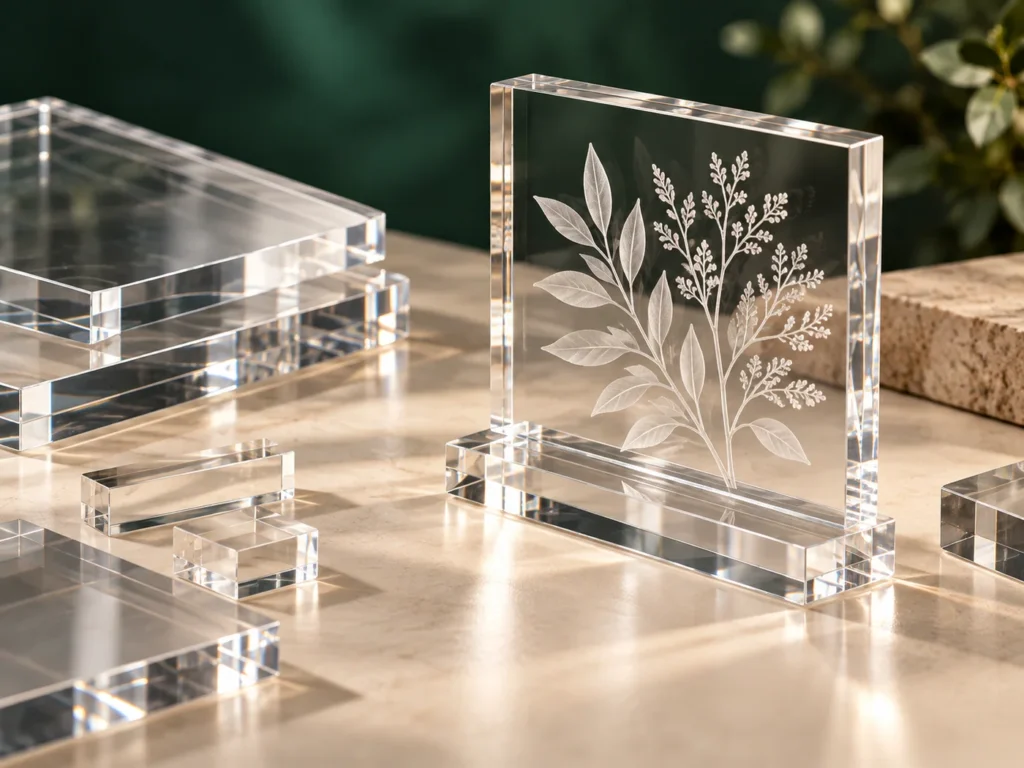
Clear displays, engraved panels and cut profiles. Define the exact grade, thickness and desired finish before evaluating a configuration.
Discuss: engraving or cutting with CO2
Explore the acrylic guide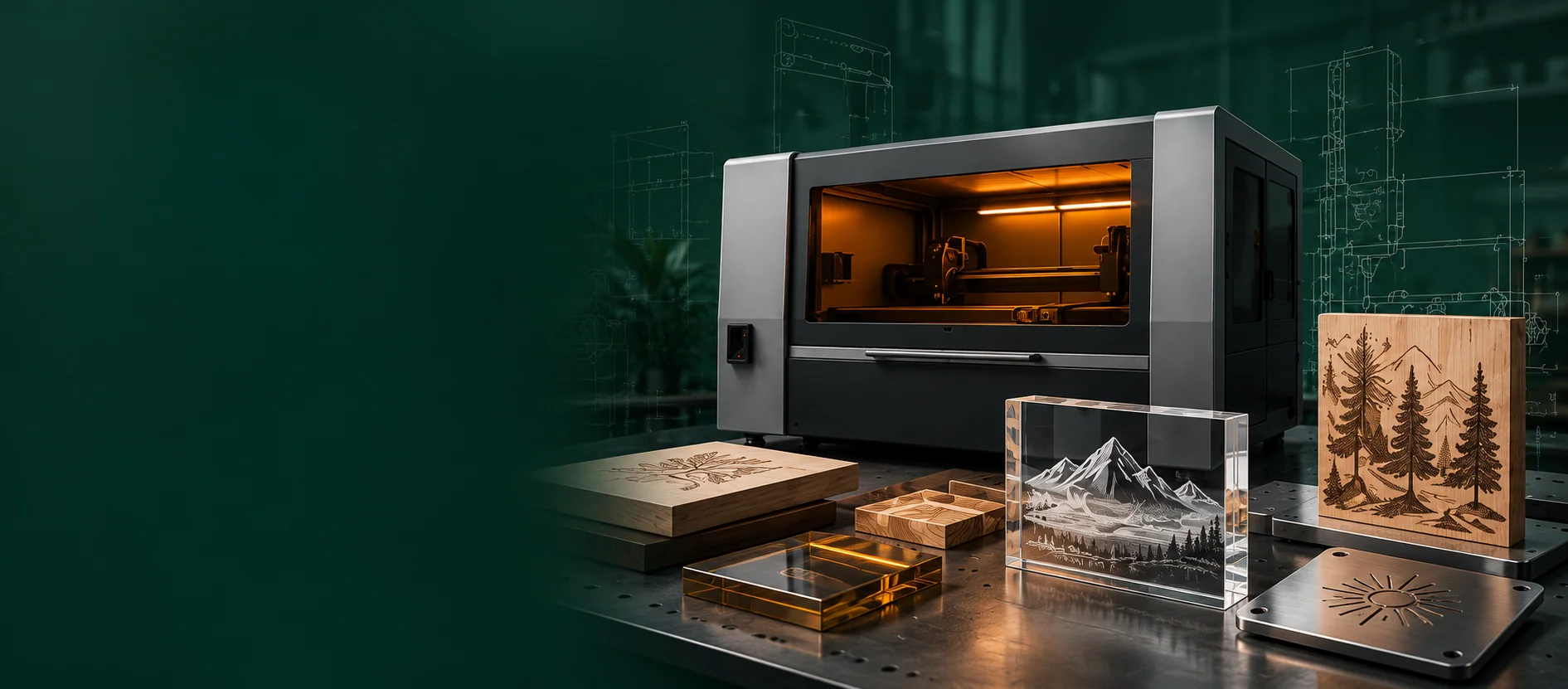
Laser systems · Materials · Applications
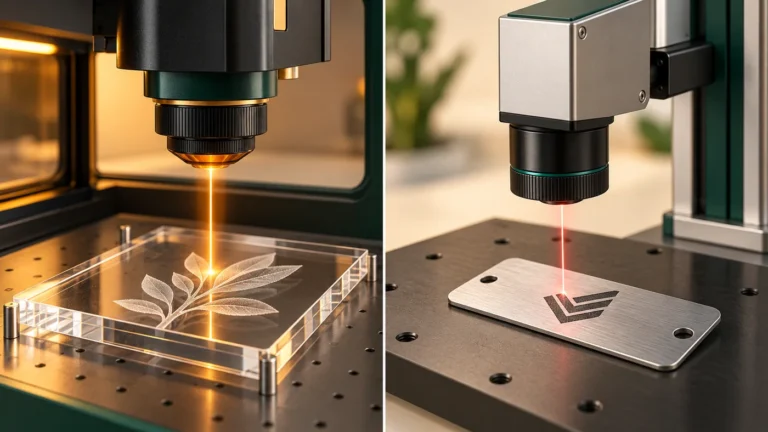
Explore CO2 engraving and fiber marking through the work you want to make. Compare materials, define the result and prepare a clearer equipment brief.
MATERIALS AND APPLICATIONS
Different materials need different questions. Explore the workpiece and the process before comparing equipment.
Clear displays, engraved panels and cut profiles. Define the exact grade, thickness and desired finish before evaluating a configuration.
Discuss: engraving or cutting with CO2
Explore the acrylic guide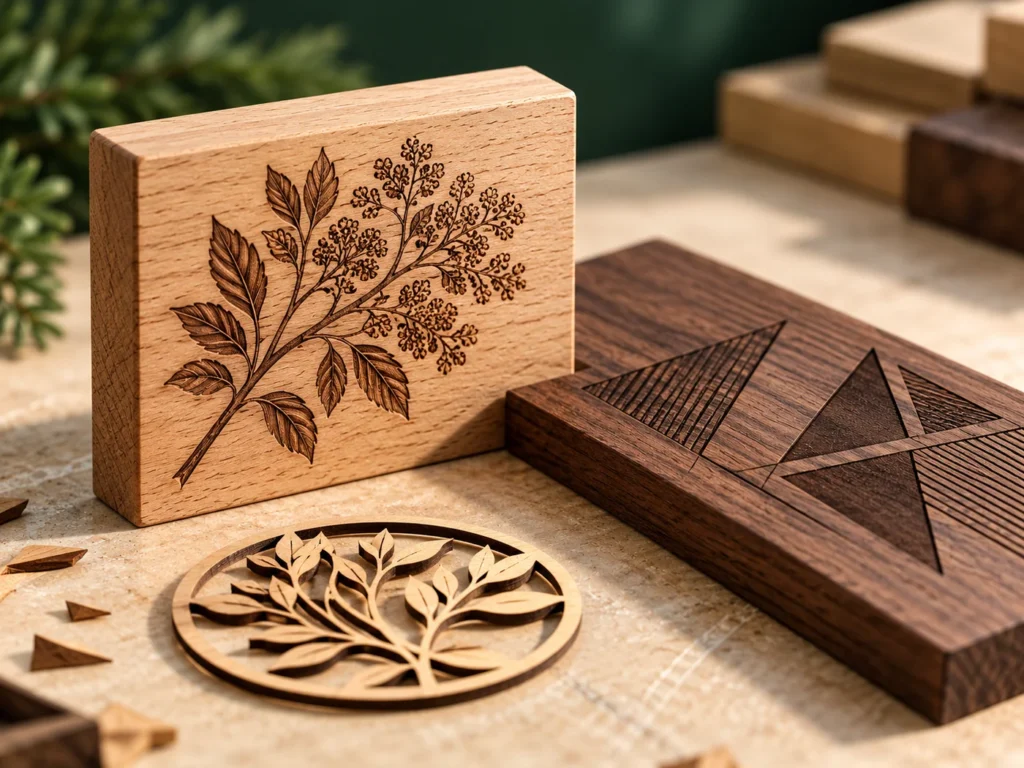
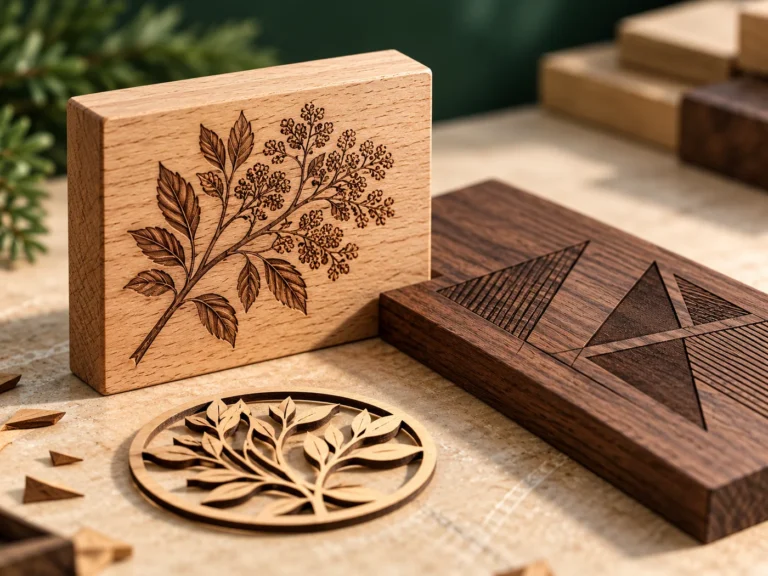
Engraved pieces, signage and model parts. Bring the board specification, coating details and a representative sample.
Verify: construction, adhesive and finish
Explore the wood guide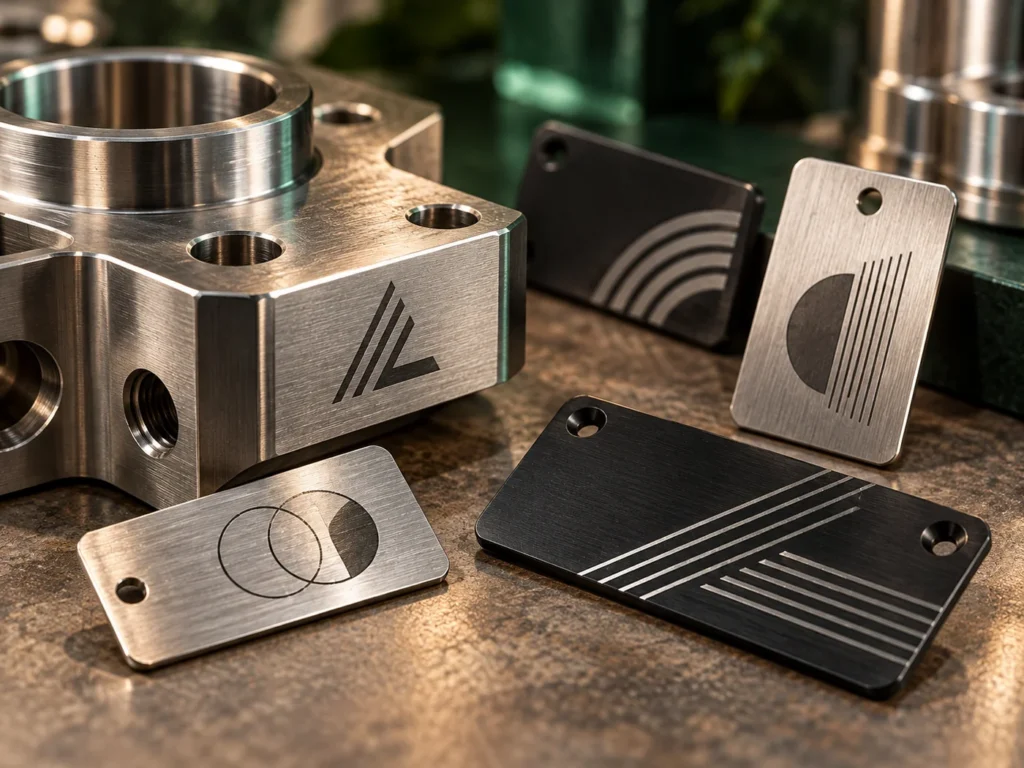
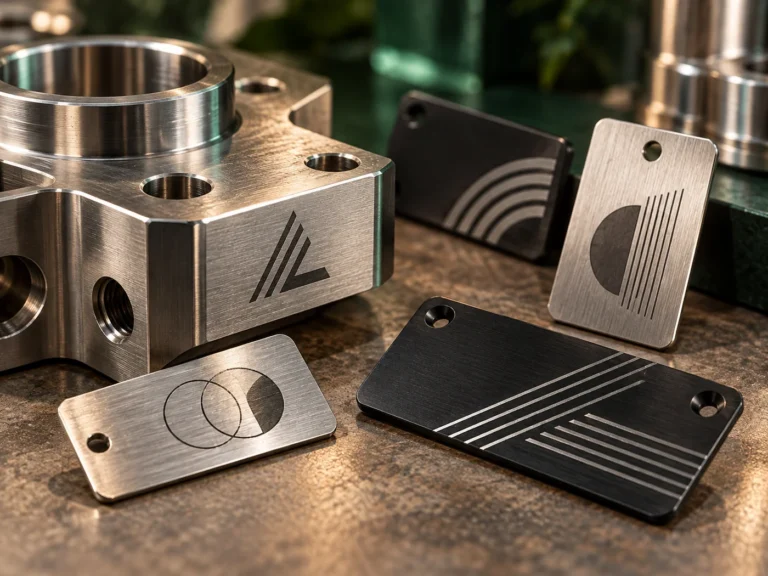
Identification marks on tags and components. Treat the alloy, coating and required marking result as separate inputs.
Discuss: fiber marking and surface requirements
Explore metal markingLASER SYSTEMS
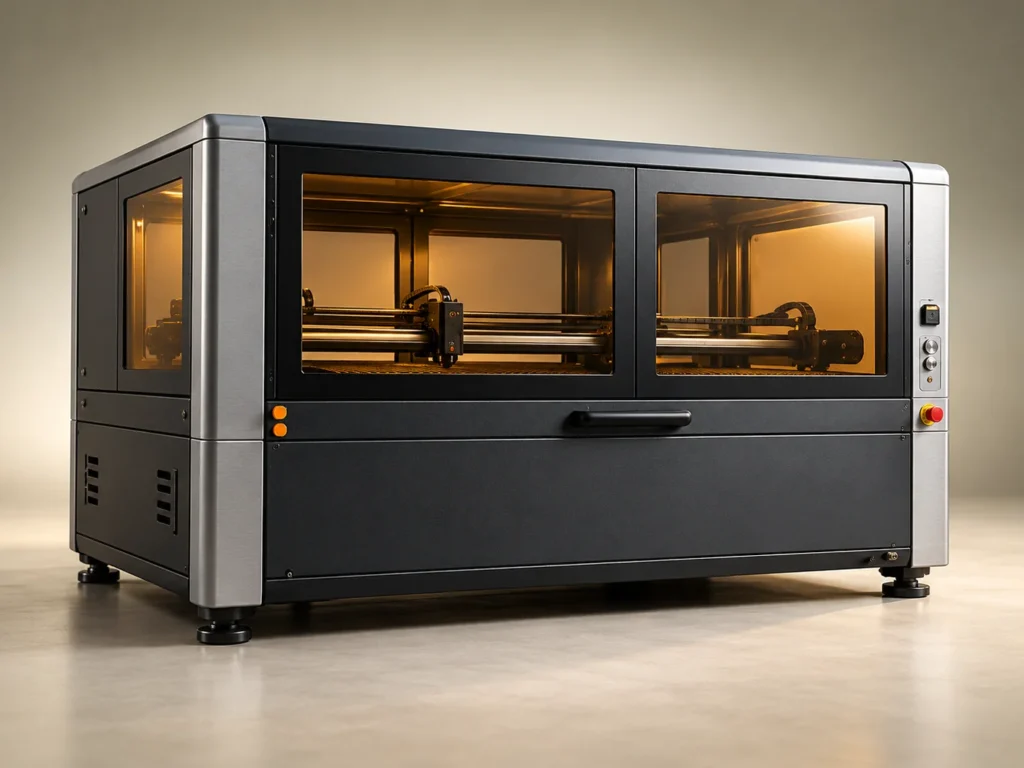
A versatile concept platform for acrylic, wood and signage workflows.
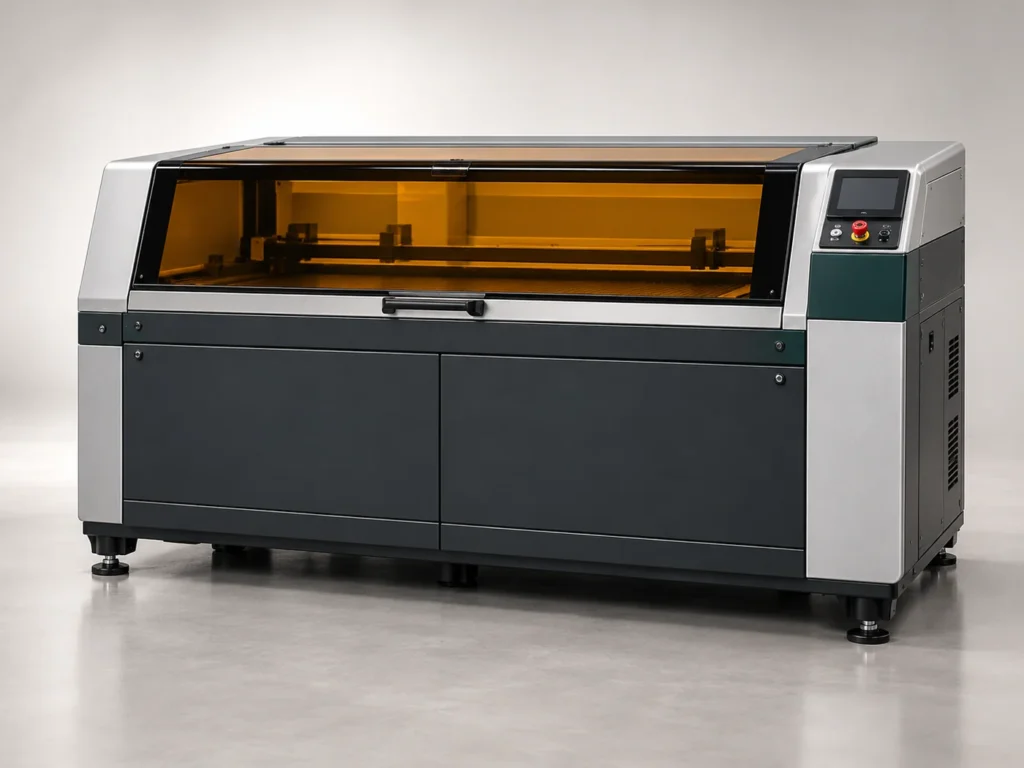
A larger-format concept for sheet processing and repeat production.
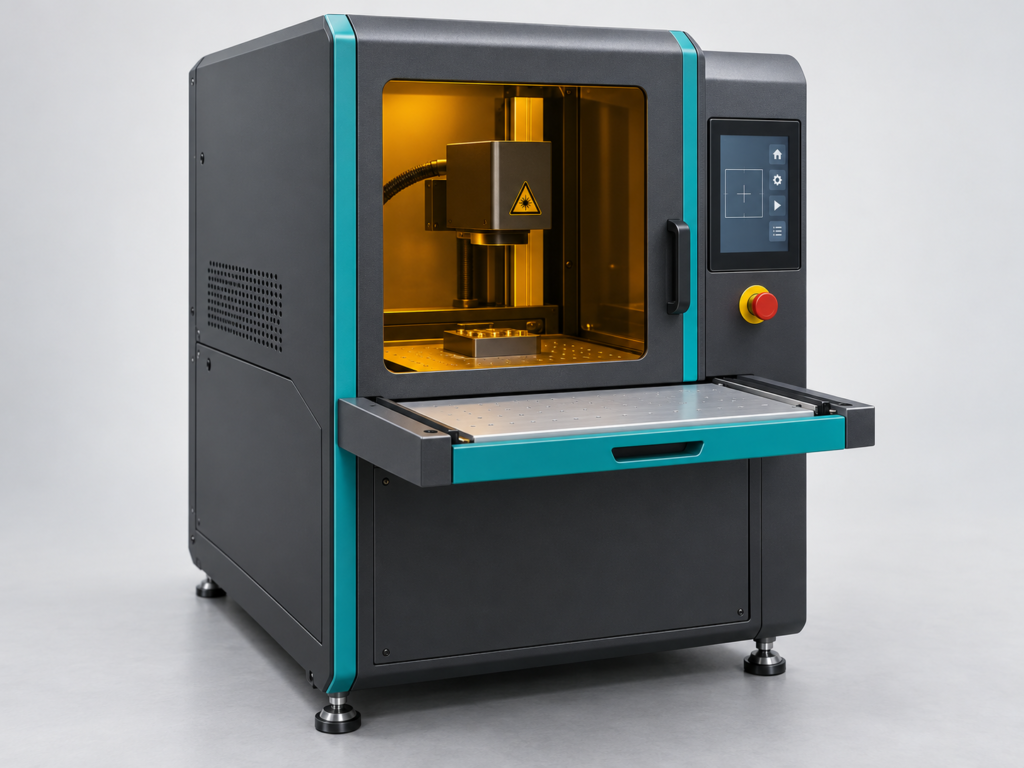
An enclosed concept workstation for metal identification and traceability.
Start with the material, part size and intended result. Use the same selection points to compare each proposed configuration.
FROM SAMPLE TO SPECIFICATION
Identify the material, dimensions, surface and required result.
Agree on what to inspect and what evidence will be returned.
Review the work envelope, optics, handling and installation needs.
Record scope, exclusions, support and the acceptance basis.
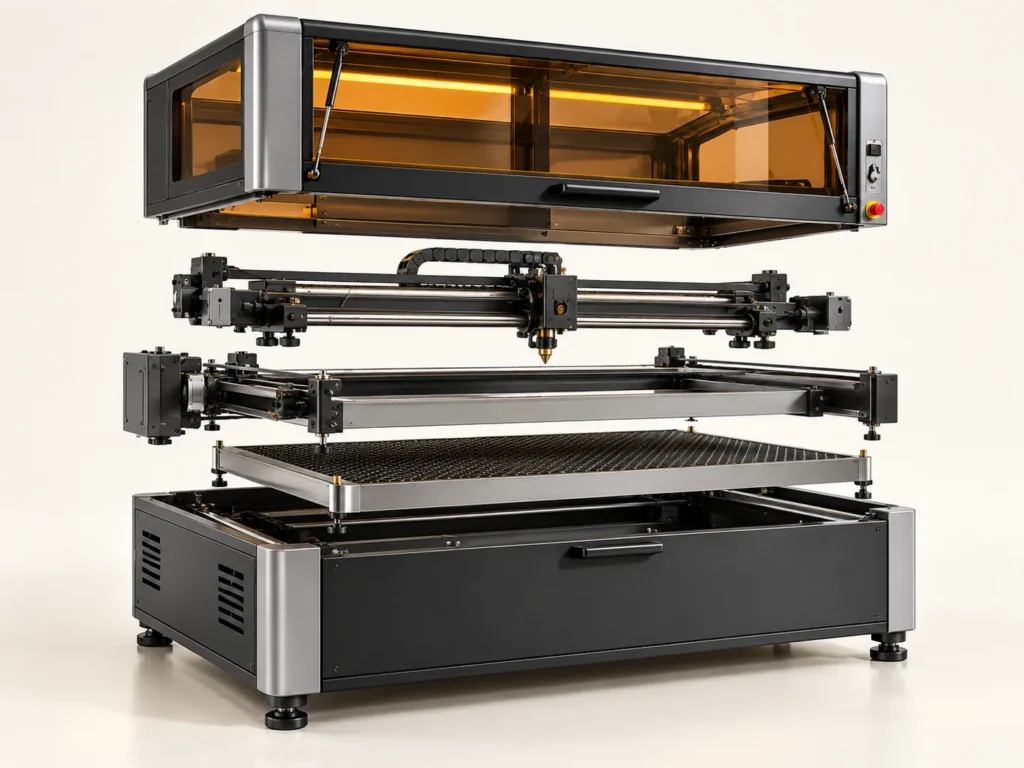
A CLOSER LOOK INSIDE
A construction concept connects the enclosure, motion system, focusing optics and work support. See how the parts relate before discussing a proposed machine.
This AI illustration explains component roles. It is not a verified assembly drawing or a servicing instruction.
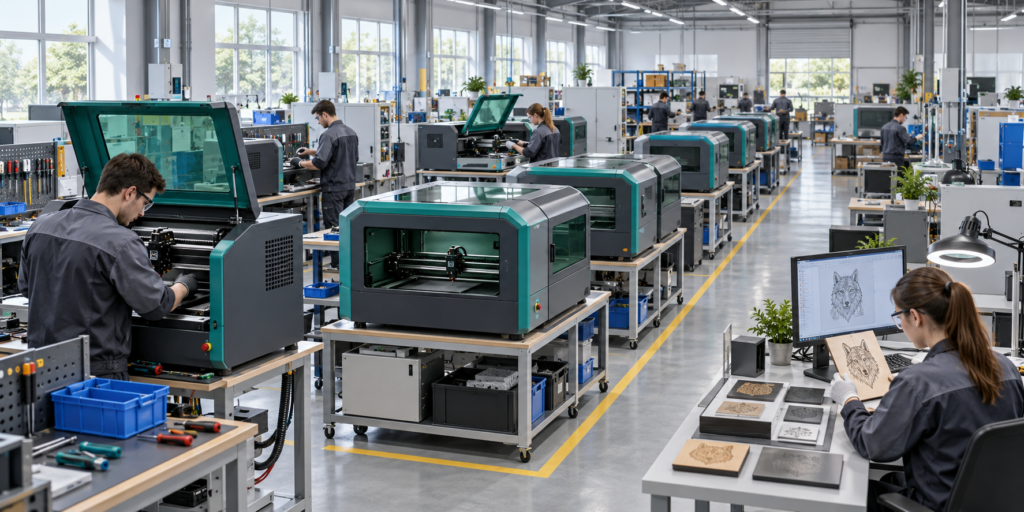
THE PRODUCTION JOURNEY
Use this concept workshop to explore the questions a real equipment supplier should answer: how equipment is prepared, how inspection is documented and what evidence accompanies delivery.
The workshop is AI-generated. It does not depict a real Lumacore factory.
KNOWLEDGE CENTER
Compare the workpiece, surface and required result before choosing between CO2 engraving and fiber marking.
A practical procurement checklist covering material identity, part geometry, sample acceptance and proposal scope.
Keep the material, configuration and acceptance evidence connected when reviewing an engraving or marking sample.
BEFORE YOU CHOOSE
CO₂ is commonly used for many nonmetal engraving and cutting workflows. Fiber systems commonly serve bare-metal marking. Select for the actual material and required process.
No. Identify the resin and additives first. PVC, PTFE and unknown materials must not be presented as universally compatible.
This website is a fictional teaching case. Brand, model configurations and AI-generated workshop scenes are explicitly illustrative.
YOUR MATERIAL. A CLEARER BRIEF.
Share the material, a drawing and the result you want to evaluate.