A sample is useful when you know what was processed, how the result was produced and which criteria it was meant to demonstrate. Keep those three things together.
Record the workpiece before the result
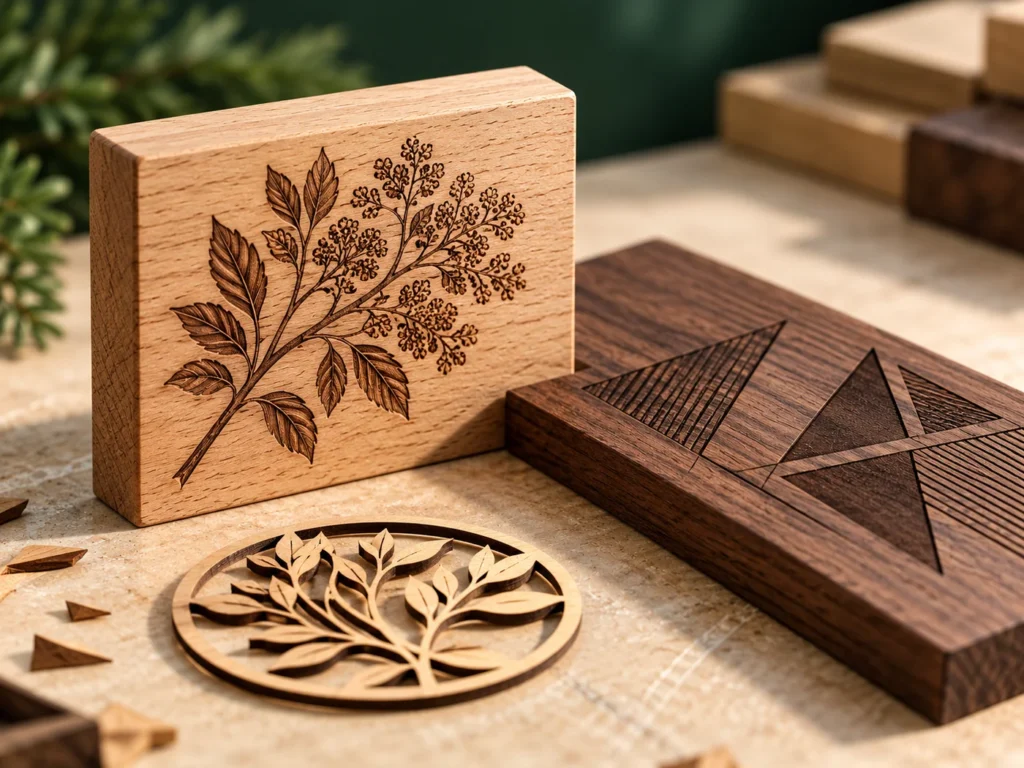
Identify the material and supplier product code, thickness, coating and protective layers. Keep a photograph of the unprocessed sample with the drawing or artwork.
If the trial uses a substitute, ask what makes it representative. Do not assume that two sheets or components with the same appearance have the same composition.
Agree on the question the sample should answer
Choose the criteria that matter to the application: for example visible contrast, smallest text, edge appearance, positioning or a defined measurement. A pleasing photograph may not answer every question.
| Evidence | Why it helps |
|---|---|
| Material identity | Connects the result to the intended workpiece |
| Artwork and dimensions | Shows which details and locations were evaluated |
| Configuration used | Identifies what the result actually represents |
| Acceptance criteria | Provides a consistent basis for comparison |
Separate marking from a cutting requirement
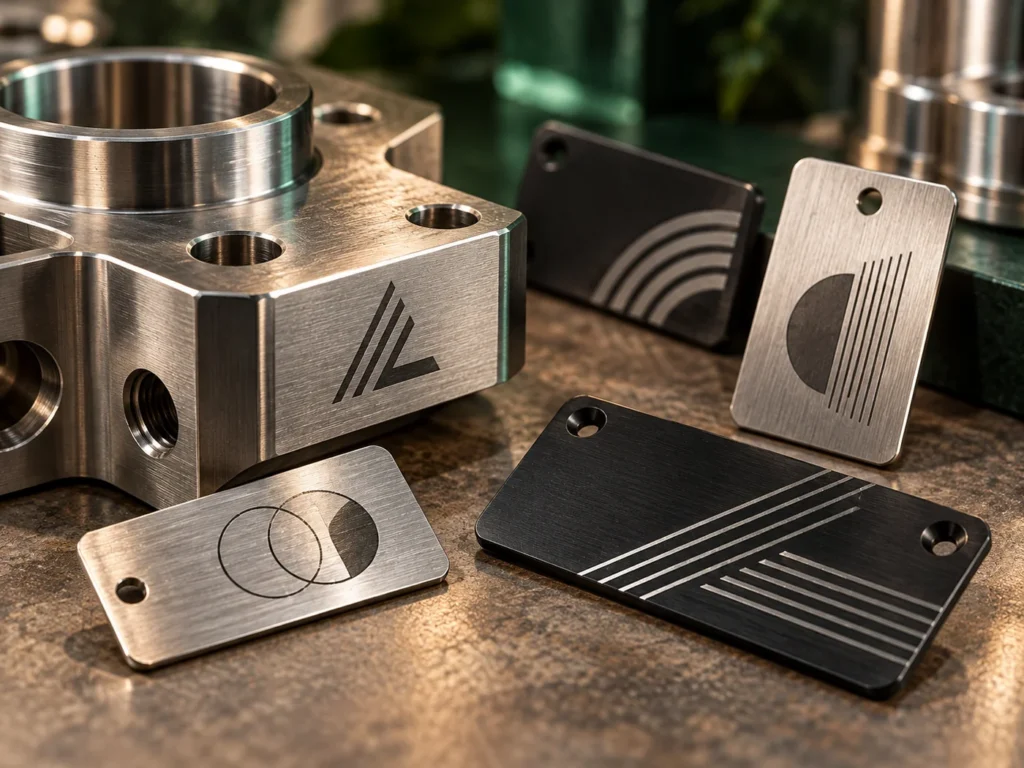
Document whether the task is identification, engraving or profile cutting. A marked metal tag does not demonstrate a machine’s ability to cut metal stock.
Ask what a quoted cycle includes
Where timing is relevant, ask whether loading, positioning, processing, unloading and inspection are included. Compare the same defined operation rather than isolated numbers from different demonstrations.
Keep a short review record
- Attach the material and drawing reference.
- Identify the equipment configuration and sample artwork.
- List the agreed appearance or measurement criteria.
- Record the outcome and any unresolved question.
- Confirm what must be repeated on the final proposed setup.
Use the evidence in the next discussion
Return the sample review with the five-question procurement brief. Ask the supplier to explain remaining differences between the demonstration and the offered equipment.
This is a planning guide for the Lumacore teaching case, not a machine qualification or a substitute for manufacturer operating instructions.